Healthy nails don’t require expensive salon visits or complicated routines. With the right daily habits, a few key products, and an understanding of what damages nails in the first place, you can maintain strong, clean, well-groomed nails entirely at home. This guide covers everything from hydration and diet to filing technique and what to avoid.
What Healthy Nails Actually Look Like
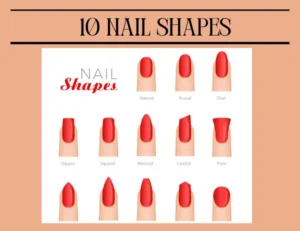
Before focusing on nail Shapes, it helps to know what you’re aiming for. Healthy nails share several visible characteristics:
- Smooth surface with no pitting, ridging, or discoloration
- Pale pink nail bed with a consistent color across all fingers
- White, clearly defined free edge (the part you file)
- Firm but slightly flexible not brittle or easily bent
- Intact cuticles that sit flat against the nail plate
- No peeling, splitting, or white spots across the nail surface
| When to See a Doctor
Persistent nail discoloration (yellow, green, or brown), significant thickening, separation from the nail bed, or black streaks under the nail can indicate fungal infection, psoriasis, or in rare cases, more serious conditions. A dermatologist should evaluate any nail change that doesn’t resolve on its own within a few weeks. |
Daily Nail Care Habits That Make the Biggest Difference
The foundation of healthy nails is consistency, not complexity. These daily habits have the greatest impact:
1. Keep Nails Clean and Dry
Moisture trapped under the nail plate is one of the leading causes of nail infections and weakening. After washing dishes, bathing, or any water exposure, gently dry under and around your nails. Chronic wetness softens the nail structure, making it more prone to peeling and breakage.
2. Moisturize Your Nails and Cuticles Daily
Nails lose moisture just like skin does. Applying a nourishing oil or hand cream directly to the nail plate and cuticles each day especially after washing hands prevents dryness, cracking, and hangnails. Cuticle oils containing jojoba, vitamin E, or argan oil absorb well and condition effectively without leaving a greasy residue.
- CND Solar Oil: one of the most widely recommended cuticle oils by nail technicians; contains jojoba and vitamin E
- Burt’s Bees Lemon Butter Cuticle Cream: an accessible option available at most drugstores
- OPI ProSpa Nail & Cuticle Oil: fast-absorbing formula trusted by professional manicurists
3. Wear Gloves for Household Chores
Cleaning products, detergents, and prolonged water exposure are among the most damaging things your nails encounter daily. Wearing rubber or latex gloves while washing dishes, cleaning surfaces, or using chemical products creates a barrier that prevents both physical damage and moisture-related softening.
4. Avoid Using Nails as Tools
Opening cans, scraping off labels, typing aggressively all of these habits put lateral stress on the nail plate and weaken the edges over time. Using the pad of your finger or a proper tool for these tasks dramatically reduces the chance of splitting or tearing.
5. Don’t Pick or Peel Polish
Peeling off nail polish removes thin layers of the actual nail plate along with the polish. Over time this thins and weakens the nail. Always remove polish with acetone or acetone-free nail polish remover and a cotton pad.
How to File and Shape Nails Correctly
How you file your nails matters as much as how often. Incorrect filing is one of the most common causes of peeling and breakage.
Choose the Right Nail File
- Glass or crystal files: the best option for natural nails. They create a smooth, sealed edge that resists splitting. They’re also washable and long-lasting.
- Fine-grit emery boards (240 grit): a good affordable option for light shaping and smoothing.
- Coarse metal files: avoid these on natural nails. They create micro-tears at the nail edge that lead to peeling.
File in One Direction
Sawing back and forth across the nail tip creates friction and heat that weakens the nail edge. Always file in one direction from the outer edge toward the center. This seals the layers of the nail plate and produces a smoother, more durable edge.
File When Nails Are Dry
Never file wet nails. Water softens the nail plate significantly, and filing at this point causes layers to separate and peel. Always file before bathing or at least 30 minutes after.
Nutrition and Supplements for Nail Health
Nails are made primarily of keratin, a protein that requires specific nutrients to form properly. Deficiencies in certain vitamins and minerals directly affect nail strength and appearance.
| Nutrient | Why It Matters for Nails | Food Sources |
| Biotin (B7) | Supports keratin production; most studied nutrient for nail strength | Eggs, almonds, sweet potato, salmon |
| Protein | Keratin is protein — inadequate intake leads to brittle, slow-growing nails | Chicken, fish, legumes, Greek yogurt |
| Iron | Iron deficiency causes spoon-shaped nails (koilonychia) and brittleness | Lean red meat, spinach, lentils, tofu |
| Zinc | Supports nail plate formation; deficiency causes white spots and ridges | Pumpkin seeds, beef, chickpeas, cashews |
| Vitamin C | Essential for collagen production that supports nail structure | Bell peppers, citrus fruits, strawberries |
| Omega-3 Fatty Acids | Prevents dry, brittle nails; supports the nail bed’s moisture barrier | Fatty fish, flaxseed, walnuts, chia seeds |
Should You Take Biotin Supplements?
Biotin is the most marketed supplement for nail health, and research does support its role in strengthening brittle nails but primarily in people who are actually deficient. If you eat a varied diet, a biotin supplement may have minimal effect. A 2500–5000 mcg daily dose is the most commonly studied range. Always check with a physician before adding supplements, especially if you take other medications.
Hydration: The Most Underrated Nail Care Step
Dehydration affects nails more directly than most people realize. Nails absorb and release water constantly, and when they dry out — from low humidity, frequent hand washing, or acetone overuse — they become rigid and brittle.
- Drink enough water daily — nail brittleness is frequently linked to chronic mild dehydration
- Apply hand cream immediately after washing hands to seal in remaining moisture
- Use a humidifier in winter months when indoor air becomes very dry
- Limit acetone-based removers to no more than once every two weeks — opt for acetone-free formula for regular use
- Apply cuticle oil before bed and wear cotton gloves overnight for an intensive treatment when nails are very dry
Nail Polish, Base Coats, and Remover: What to Know
Always Use a Base Coat
A base coat does more than help polish adhere. It creates a protective barrier between the nail plate and the pigment in nail polish, which can otherwise stain or dry out the nail. Brands like OPI Natural Nail Base Coat, Essie Here to Stay, and Orly Bonder are well-regarded options.
Take Breaks From Polish
Nails benefit from occasional polish-free periods. Continuously covering them with gel or regular polish prevents you from monitoring their condition and can contribute to surface dehydration. Aim for at least a few days of bare nails between manicures when possible.
Remove Polish Gently
- Saturate a cotton pad and hold it against the nail for 10–15 seconds before wiping — this dissolves the polish without requiring aggressive rubbing
- Avoid remover pads pre-soaked in acetone for daily use; they’re convenient but harsher than standard cotton pad application
- Follow remover use immediately with cuticle oil or hand cream to restore moisture
| About Gel Manicures
Gel manicures last longer but require UV light exposure during curing and can weaken natural nails if removed incorrectly. Always soak off gel with acetone (never pry or peel) and use a nail strengthener for at least two weeks after removal to help the nail plate recover. LED lamps used in modern gel systems emit lower UV levels than older UV lamps, but applying SPF to the hands before curing is still a reasonable precaution. |
Proper Cuticle Care at Home
Cuticles serve a protective function: they seal the gap between the nail plate and the skin, blocking bacteria and fungi from entering. Aggressive cutting of cuticles removes this seal and increases infection risk.
Push, Don’t Cut
Most nail care professionals recommend pushing cuticles back gently rather than cutting them. After a warm shower (when skin is soft), use a rubber-tipped cuticle pusher or an orangewood stick wrapped in cotton to gently push the cuticle toward the nail base. This keeps nails looking neat without compromising the protective barrier.
Handle Hangnails Carefully
Never pull or tear a hangnail. This almost always tears living skin and creates an open entry point for bacteria. Instead, use clean, sharp cuticle nippers to clip the hangnail at its base as close to the skin as possible. Sanitize the nippers before and after use.
What to Avoid If You Want Stronger Nails
- Overwashing without moisturizing: frequent handwashing is necessary but strips natural oils. Always follow with lotion or oil.
- Acetone overuse: strong acetone-based removers used too frequently dry out the nail plate and surrounding skin significantly.
- Biting or picking nails: damages the nail matrix (the tissue that forms the nail), which can permanently alter nail shape and growth.
- Skipping base coat: direct contact between pigmented polish and the nail plate causes staining and dehydration.
- Filing back and forth: creates heat and micro-fractures along the nail edge, leading to peeling.
- Aggressive cuticle cutting: removes the protective seal at the nail base and invites infection.
- Harsh nail hardeners with formaldehyde: some older-formula nail hardeners contain formaldehyde, which makes nails temporarily hard but brittle over time. Look for formaldehyde-free options.
A Simple Weekly Nail Care Routine
You don’t need hours. A consistent 10–15 minute weekly nail routine covers everything:
- Remove old polish with acetone-free remover and cotton pads.
- Soak fingertips in warm water for 3–5 minutes to soften the skin.
- Push back cuticles gently with an orangewood stick or rubber cuticle pusher.
- Clip any hangnails with clean cuticle nippers that do not tear.
- Trim nails with sharp nail scissors or a quality nail clipper if needed.
- Shape and smooth the edges with a fine-grit glass or crystal nail file, moving in one direction.
- Buff the surface lightly with a four-sided nail buffer if there are ridges that do not over-buff.
- Wash hands to remove any nail dust.
- Apply cuticle oil generously to all nails and massage in.
- Finish with hand cream or apply a base coat and polish if desired.
| Daily Habit Worth Adding
Apply cuticle oil every night before bed. It takes about 10 seconds per hand and makes a measurable difference in nail flexibility and cuticle condition within two to three weeks. Keep a bottle on your nightstand so it becomes automatic. |
Common Nail Problems and How to Address Them
| Problem | Likely Cause | Home Remedy |
| Brittle, peeling nails | Dehydration, acetone overuse, iron or biotin deficiency | Daily cuticle oil, fewer acetone removers, add biotin-rich foods |
| White spots | Minor trauma to the nail matrix or zinc deficiency | Usually resolve on their own; add zinc-rich foods to diet |
| Yellow nails | Nail polish staining, smoking, or fungal infection | Base coat before polish; antifungal treatment if infection suspected |
| Ridges (vertical) | Normal aging; can also indicate dryness or nutritional gaps | Gentle buffing, cuticle oil, check iron and B12 levels |
| Slow nail growth | Nutritional deficiency, poor circulation, thyroid issues | Ensure adequate protein and iron; consult a doctor if persistent |
| Hangnails | Dry skin, low moisture, picking at cuticles | Daily moisturizing, stop picking, apply cuticle oil consistently |
Frequently Asked Questions
How long does it take to see improvement in nail health?
Most people notice a visible difference within four to six weeks of consistent nail care — that’s roughly one full nail growth cycle. Changes in nail strength from dietary improvements can take up to three months to fully show, since nails grow approximately 3mm per month.
Is it better to keep nails short or long for nail health?
Shorter nails are generally easier to maintain and less prone to breakage. Long nails experience more leverage and stress with everyday tasks. If you want to grow your nails longer, build up gradually with consistent moisturizing and protective habits rather than trying to maintain length before your nail strength supports it.
Can hand sanitizer damage nails?
Frequent use of alcohol-based hand sanitizers dries out both skin and nails. The alcohol strips the natural oils from the nail plate and surrounding skin. If you use sanitizer frequently, follow up with cuticle oil or hand cream as often as possible.
Does drinking more water actually help nail growth?
Hydration supports overall nail health and reduces brittleness, but there’s no direct evidence that drinking more water speeds up nail growth. Growth rate is primarily determined by genetics, age, and nutritional status. However, chronic dehydration does weaken nail structure.
How do I stop biting my nails?
Nail biting is often habitual and stress-related. Practical strategies include keeping nails neatly filed (removing the rough edges that tend to trigger biting), using a bitter-tasting nail deterrent polish like Mavala Stop, keeping hands occupied, and identifying the triggers that lead to the habit.
Are press-on nails safe for natural nails?
Press-on nails are significantly safer than acrylics for occasional use when applied and removed correctly. Avoid prying them off soak in warm soapy water until they release naturally. Use press-ons sparingly and allow time for natural nails to breathe between applications.