
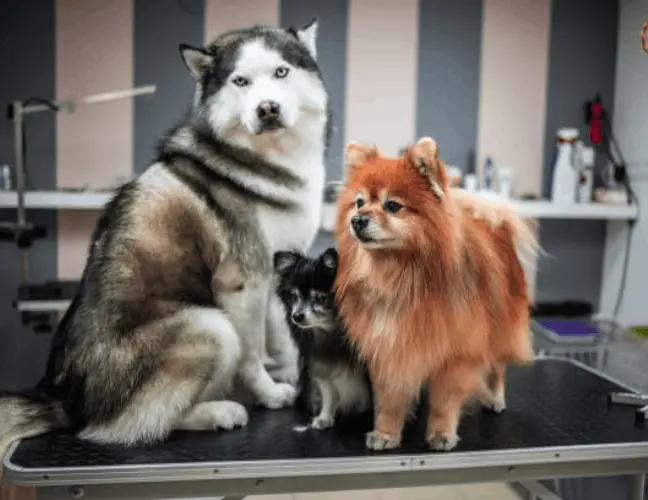
The husky and Pomeranian dog mix, widely known as the Pomsky, is one of the most visually striking hybrid dogs you will find today. With the piercing blue eyes of a Siberian Husky and the fluffy, compact frame of a Pomeranian, this designer breed has exploded in popularity over the last decade.
This guide covers everything from Poofy Toy Dogs personality and size to training challenges, health concerns, and the real cost of bringing one home.
Quick Summary
- The Pomsky is a cross between a Siberian Husky and a Pomeranian.
- Size varies widely: most adults weigh 10 to 30 pounds.
- They are intelligent, energetic, and can be stubborn.
- Expect to pay $1,500 to $5,000 for a quality puppy.
- They need daily exercise, consistent training, and regular grooming.
What Is a Husky and Pomeranian Dog Mix?
The Pomsky is a first-generation or multi-generation hybrid. Breeders typically use artificial insemination because the size difference between a female Siberian Husky and a male Pomeranian makes natural breeding impossible and dangerous.
The result is a dog that can inherit traits from either parent in unpredictable ways. One Pomsky puppy from the same litter may look nearly identical to a mini Husky, while another resembles a large, fluffy Pomeranian.
The American Kennel Club (AKC) does not officially recognize the Pomsky as a purebred, but the Pomsky Club of America was established in 2012 to maintain breed standards and a responsible breeder registry.

How Big Does a Pomsky Get?
Size is one of the most common questions new owners have. Because this is a hybrid breed, size can vary significantly.
| Generation | Average Weight | Average Height |
| F1 (50/50 mix) | 20–30 lbs | 13–18 inches |
| F2 (Pomsky x Pomsky) | 15–25 lbs | 12–16 inches |
| F3 and beyond | 10–20 lbs | 10–15 inches |
Most fully grown Pomskies land between 15 and 25 pounds. A true “mini” Pomsky, often marketed as a teacup, typically weighs under 10 pounds, though this label raises legitimate health concerns.
Pomsky Temperament and Personality
The husky and Pomeranian dog personality combo is charming but demanding.
What you can generally expect:
- High intelligence — Both parent breeds are smart. Pomskies pick up commands quickly, but they also figure out how to manipulate situations in their favor.
- Strong personality — Huskies are known for their independence. Pomeranians are notoriously bossy. Combined, you get a dog that will test boundaries consistently.
- Vocal behavior — Pomskies howl, bark, and “talk” like Huskies. They are not quiet apartment dogs by default.
- Affectionate and playful — They bond deeply with their families and are typically great with children when socialized early.
- Prey drive — Inherited from the Husky side, many Pomskies chase small animals. A secure yard is essential.
Training a Pomsky: What Most Owners Get Wrong
Pomskies are not beginner dogs. Many owners assume that because the dog is small, it will be easier to manage. That assumption leads to a poorly behaved adult dog.
Common training mistakes:
- Skipping early socialization — Pomskies exposed to diverse people, pets, and environments early become far more adaptable adults.
- Inconsistent rules — This breed reads inconsistency as opportunity. Every family member must reinforce the same boundaries.
- Skipping recall training — Given their prey drive and Husky instinct to run, a reliable “come” command could save your dog’s life.
- Punishing vocal behavior — Howling and barking are natural to this mix. Redirect rather than punish.
Positive reinforcement methods backed by organizations like the Association of Professional Dog Trainers (APDT) work best. Short, engaging sessions of 10 to 15 minutes produce better results than long, repetitive drills.
Grooming Needs of a Husky Pomeranian Mix
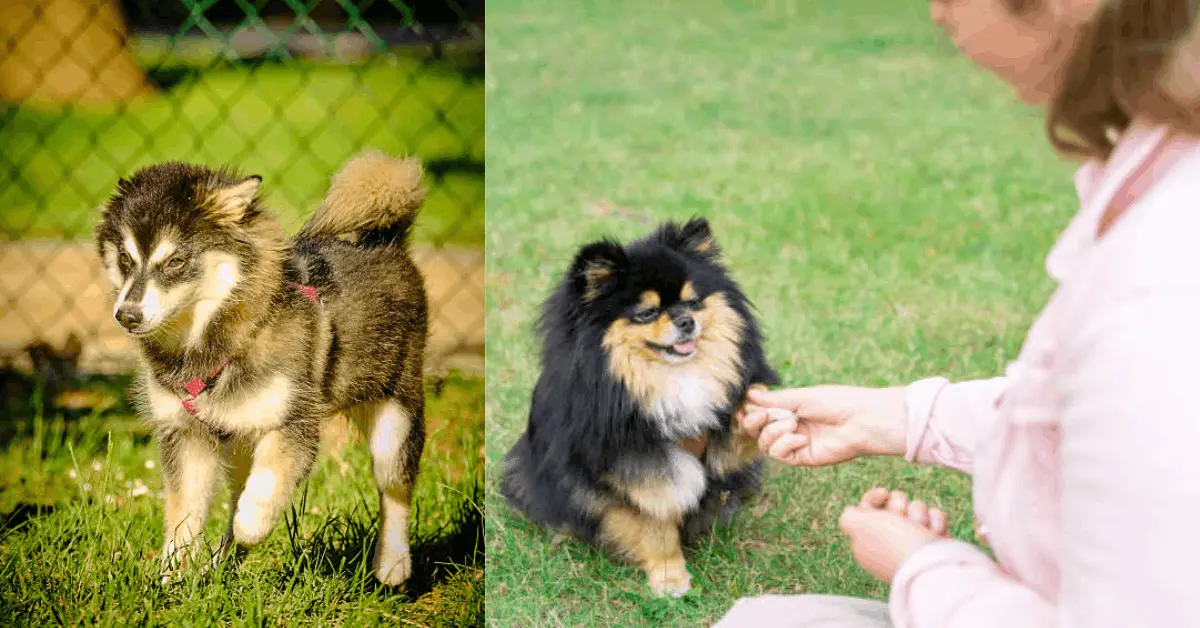
Both parent breeds are heavy shedders with double coats. Pomsky inherits this fully.
What a regular grooming routine looks like:
- Daily brushing during shedding season (spring and fall)
- 3 to 4 times weekly brushing the rest of the year
- Professional grooming every 6 to 8 weeks recommended
- Bathing every 4 to 6 weeks with a gentle dog shampoo
- Never shave a Pomsky’s double coat — it disrupts natural temperature regulation and can cause coat damage
A high-quality slicker brush and an undercoat rake are the two tools every Pomsky owner needs in their grooming kit.
Health Issues to Know Before You Buy
The Pomsky is generally healthier than purebred Huskies or Pomeranians due to hybrid vigor. But the breed does carry risk for inherited conditions from both sides.
Common health concerns:
- Hip dysplasia — inherited from the Husky side
- Dental overcrowding — Pomeranians have small mouths, and this can carry over
- Patellar luxation — common in small dogs, including Pomeranians
- Eye conditions — including progressive retinal atrophy, seen in Huskies
- Hypothyroidism — hormonal condition reported in both parent breeds
Request health clearances for both parent dogs from any breeder you consider. Reputable breeders test for hip dysplasia via OFA (Orthopedic Foundation for Animals) certification and eye conditions via CERF testing.
The average lifespan for a healthy Pomsky is 13 to 15 years.
How Much Does a Pomsky Cost?
The husky and Pomeranian dog mix is one of the more expensive designer breeds on the market.
| Expense | Estimated Cost |
| Puppy purchase price | $1,500 – $5,000 |
| Initial vet visit and vaccines | $200 – $400 |
| Spay or neuter | $250 – $500 |
| Annual vet care | $400 – $800 |
| Grooming (annual) | $600 – $1,200 |
| Food (annual) | $400 – $700 |
Be extremely cautious of Pomsky puppies priced under $1,000. Ethical breeders invest significantly in genetic health testing, proper socialization, and quality care for the mother.
Is a Pomsky Right for You?
This breed thrives in specific situations. Here is an honest breakdown:
Pomskies are a great fit if you:
- Have experience with active or independent dog breeds
- Can commit to daily walks, play sessions, and mental stimulation
- Have a securely fenced yard or live near open spaces
- Enjoy grooming or can budget for professional grooming regularly
- Work from home or have a flexible schedule
Pomskies are a poor fit if you:
- Live in a small apartment with no outdoor access
- Work long hours and leave pets alone most of the day
- Want a low-maintenance or quiet dog
- Are a first-time dog owner without support from a trainer
Finding a Responsible Pomsky Breeder
The Pomsky’s popularity has unfortunately attracted many irresponsible breeders and puppy mills. Responsible breeders:
- Provide health clearances for both parents
- Allow you to visit the puppy in person before purchase
- Offer a health guarantee of at least one year
- Are registered with the Pomsky Club of America
- Ask you questions about your lifestyle before selling
Avoid any seller who ships puppies without meeting you, refuses to show parent dogs, or cannot provide veterinary health records.
Exercise and Mental Stimulation Requirements
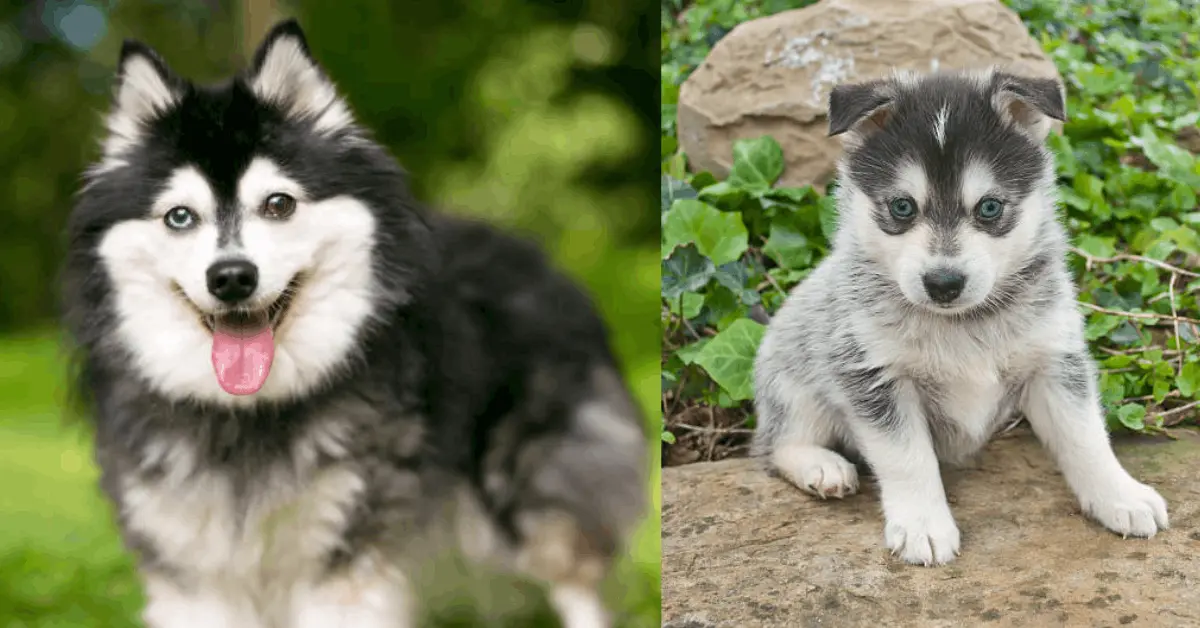
Pomskies are not couch dogs. They carry the working drive of the Siberian Husky in a smaller frame.
A typical adult Pomsky needs:
- At least 45 to 60 minutes of exercise per day
- Mental enrichment through puzzle toys, training games, or nosework
- Off-leash time in a secure environment when possible
- Dog park socialization or regular playdates with other dogs
Under-exercised Pomskies become destructive, loud, and anxious. This is the most frequently cited reason owners surrender the breed.
FAQ Section
What is a Pomsky dog?
A Pomsky is a hybrid dog breed created by crossing a Siberian Husky with a Pomeranian. The breed combines the striking appearance of the Husky with the compact size of the Pomeranian, resulting in a dog that typically weighs between 10 and 30 pounds.
How big does a full grown Pomsky get?
A full grown Pomsky typically weighs between 15 and 25 pounds and stands 12 to 18 inches tall at the shoulder. Size varies based on the generation of the cross and which parent the dog takes after more genetically.
Are Pomskies good family dogs?
Pomskies can be excellent family dogs when properly trained and socialized from puppyhood. They are affectionate and playful, but their strong personalities and high energy levels make them better suited for experienced dog owners or active families.
How much does a Pomsky puppy cost?
Pomsky puppies from reputable breeders typically cost between $1,500 and $5,000. The wide price range reflects the breeder’s investment in health testing, the generation of the cross, and the puppy’s coat color and eye color.