I have spent years researching small dog breeds, and I can tell you one thing with confidence. Poofy toy dogs are some of the most charming, lovable pets you will ever own. Their fluffy coats, small frames, and big personalities make them perfect for apartments, families, and first-time dog owners alike.
In the United States alone, small dog breeds account for roughly 30% of all registered dogs, according to the American Kennel Club (AKC). That number keeps growing every year. If you are thinking about adding a fluffy toy dog to your life, this guide from PureModeUSA covers everything you need to know.
What Are Poofy Toy Dogs?
Poofy toy dogs are small dog breeds known for their thick, fluffy, or voluminous coats. They typically weigh under 10 pounds and fall within the toy group classification. Their coats can be curly, straight, or double-layered. That poofy appearance comes from dense undercoats, long outer coats, or both.
These dogs are not just cute. They are bred for companionship. Most of them are affectionate, alert, and highly social. They thrive on human interaction. That makes them excellent lap dogs and emotional support animals.
Top Poofy Toy Dog Breeds in the USA
Here is a look at the most popular fluffy toy dog breeds that American dog lovers adore.
1. Pomeranian
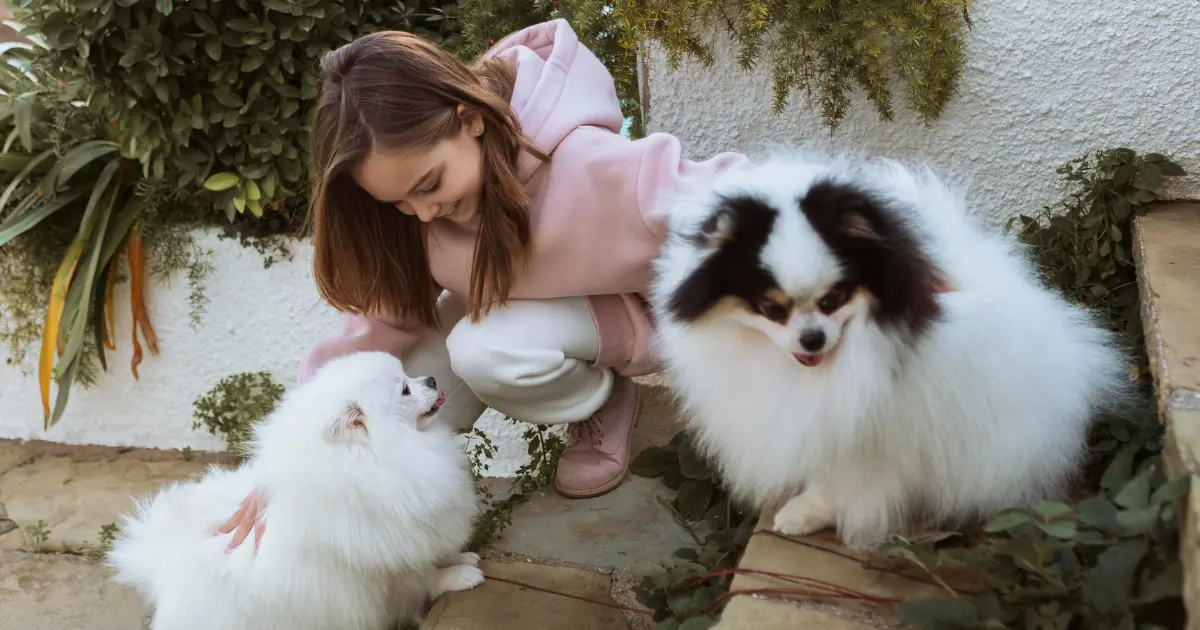
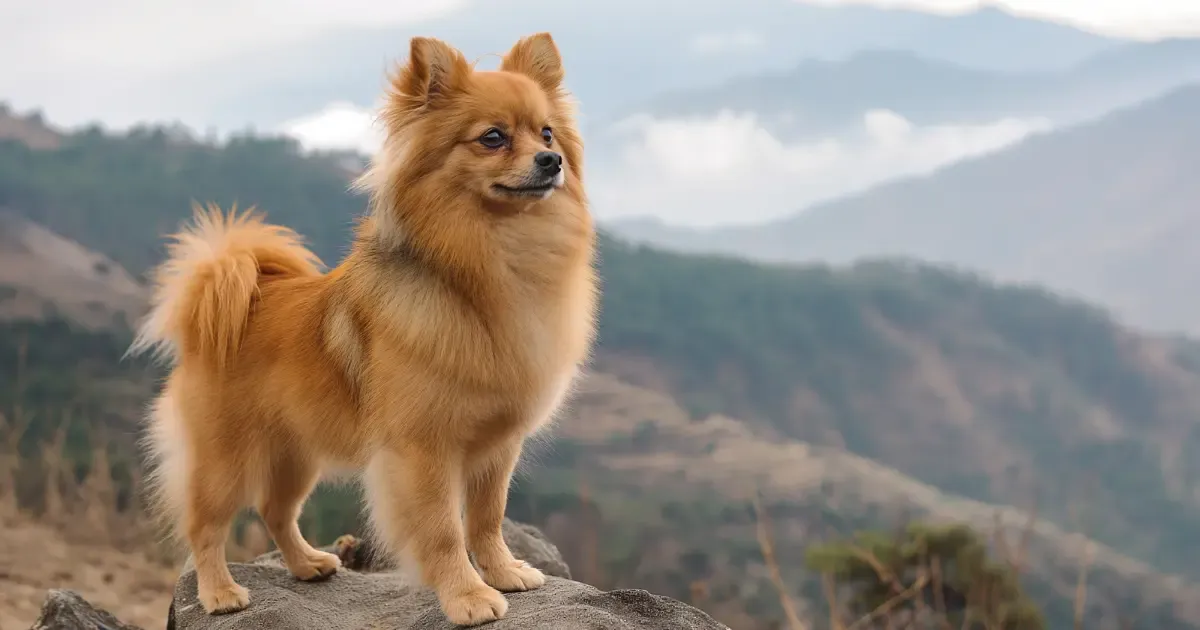
The Pomeranian is perhaps the most iconic of all poofy toy dogs. They typically weigh between 3 and 7 pounds. Their double coat stands out from the body, giving them that signature fluffy cloud look. Pomeranians are bold, curious, and energetic. According to AKC registration data, Pomeranians consistently rank among the top 25 most popular breeds in America.
2. Maltese
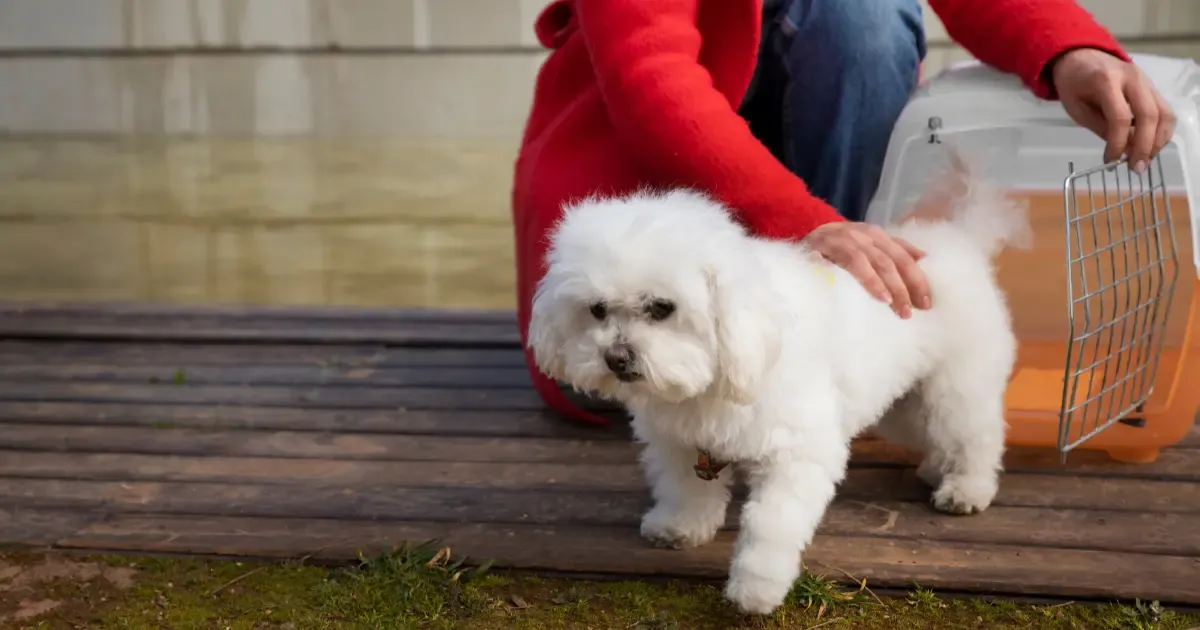
The Maltese is a classic toy breed with a long, silky white coat. They weigh around 4 to 7 pounds. Their coats look incredibly poofy when groomed in a puppy cut. Maltese dogs are gentle, affectionate, and great with children. They are a top pick for city living. You can learn more about their care on the official American Kennel Club website.
3. Toy Poodle
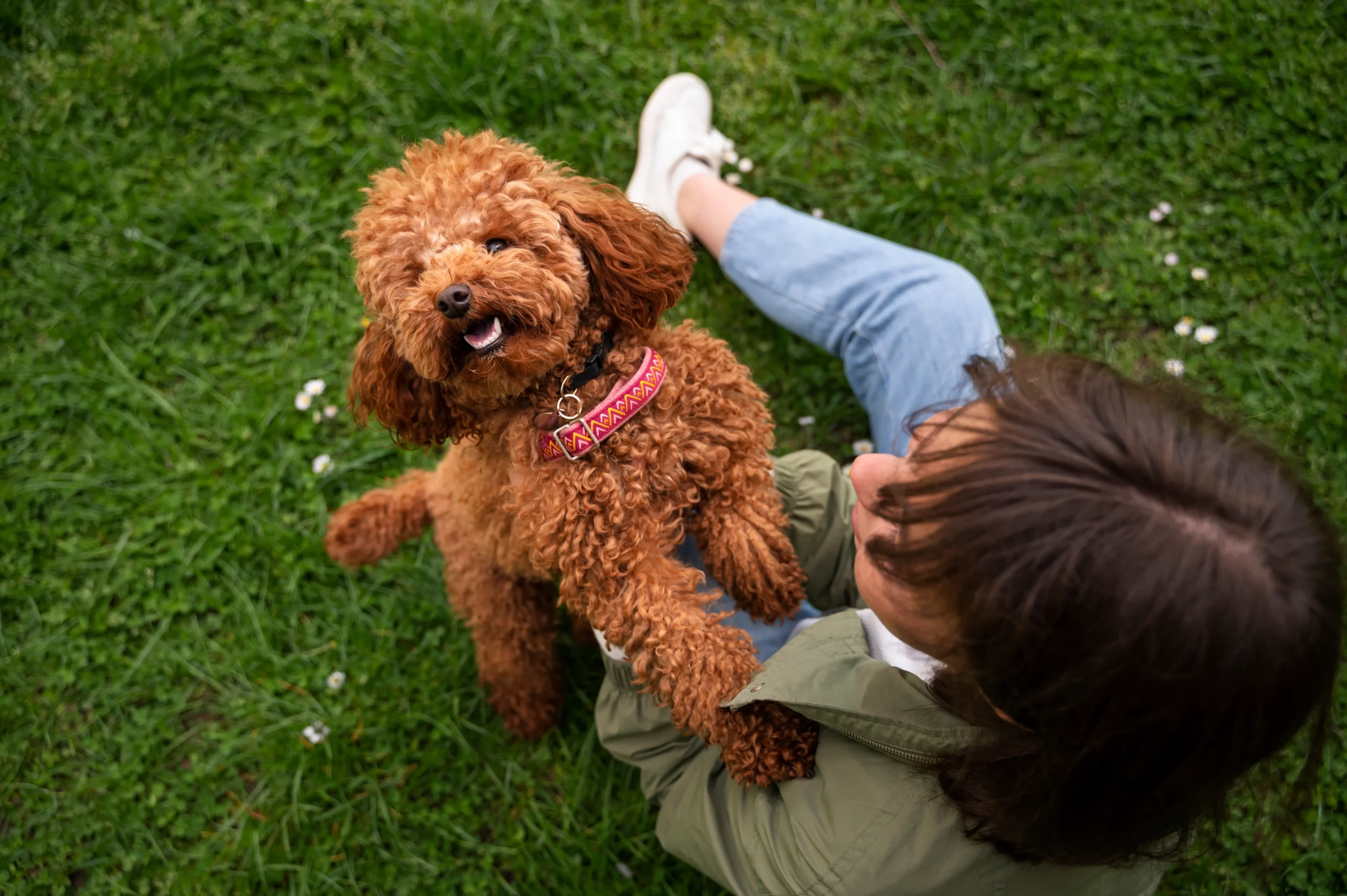
The Toy Poodle is one of the smartest dog breeds in the world. They stand under 10 inches tall and have a curly, dense coat that looks naturally poofy. Regular grooming keeps their coat fluffy and healthy. Toy Poodles are hypoallergenic, which makes them a top choice for allergy sufferers. Studies show that Poodles consistently rank among the top 5 most intelligent dog breeds globally.
4. Bichon Frise
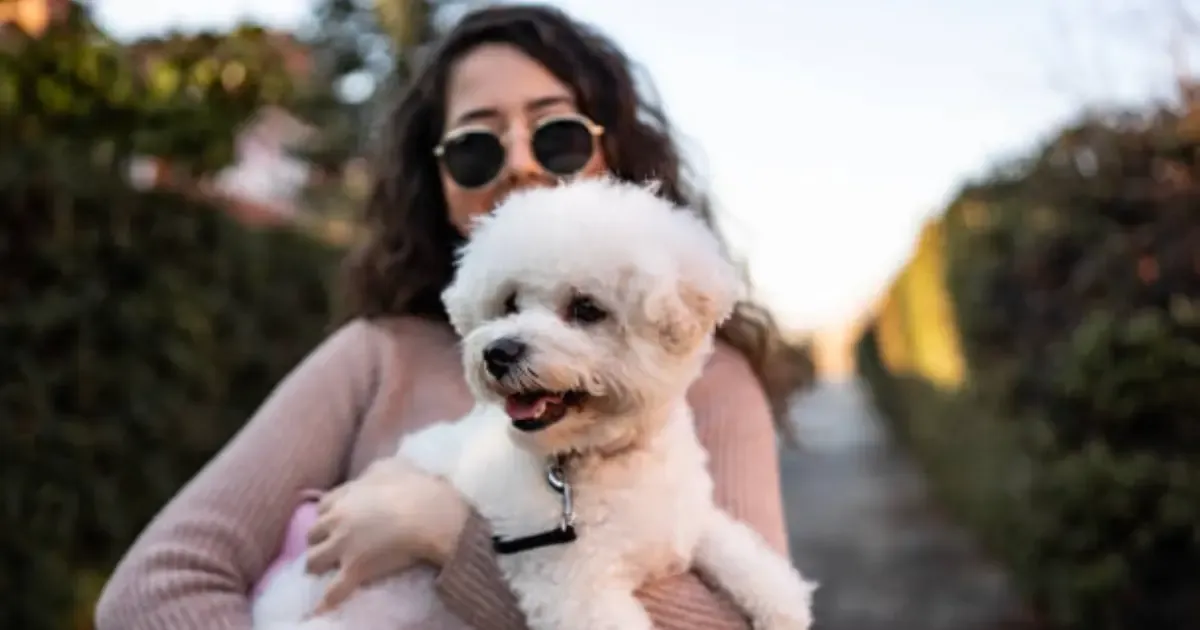
The Bichon Frise looks like a living stuffed animal. Their round, powder-puff coat is white and curly. They weigh between 12 and 18 pounds, making them slightly larger than other toy breeds. However, their personality is 100% lap dog. Bichons are cheerful, playful, and hypoallergenic. They are a perfect match for families with mild pet allergies.
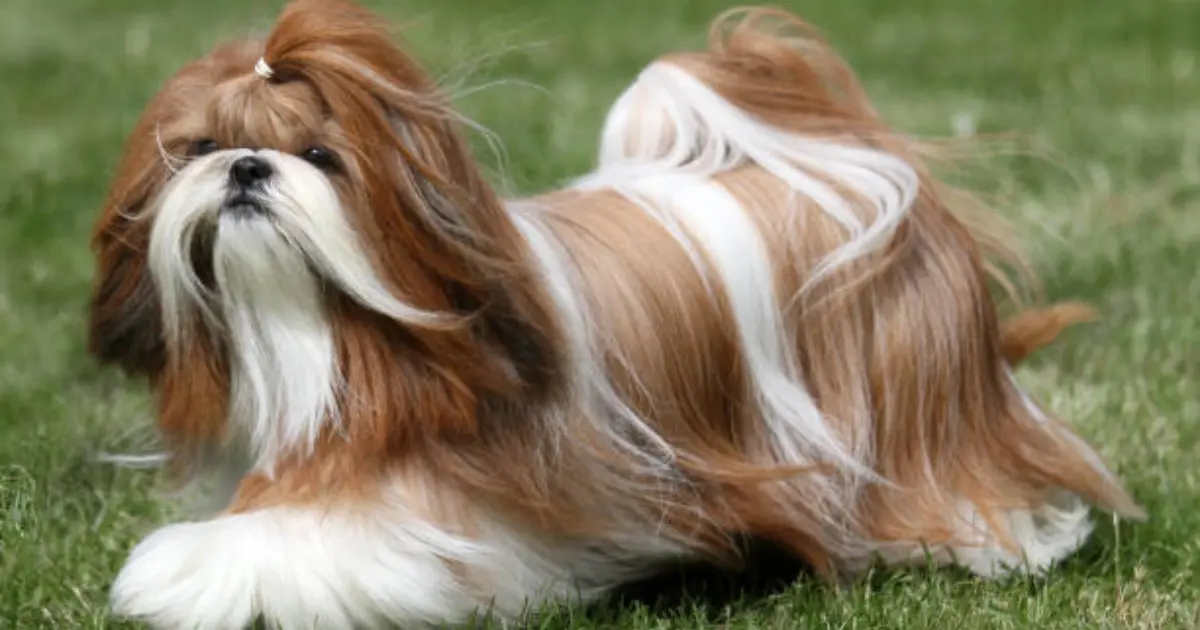
5. Shih Tzu
The Shih Tzu has a luxurious double coat that flows to the ground. Many owners keep their Shih Tzus in a shorter, fluffy teddy bear cut. This gives them a poofy, rounded appearance. They weigh between 9 and 16 pounds. Shih Tzus are calm, affectionate, and adaptable. They do great in apartments and houses alike.
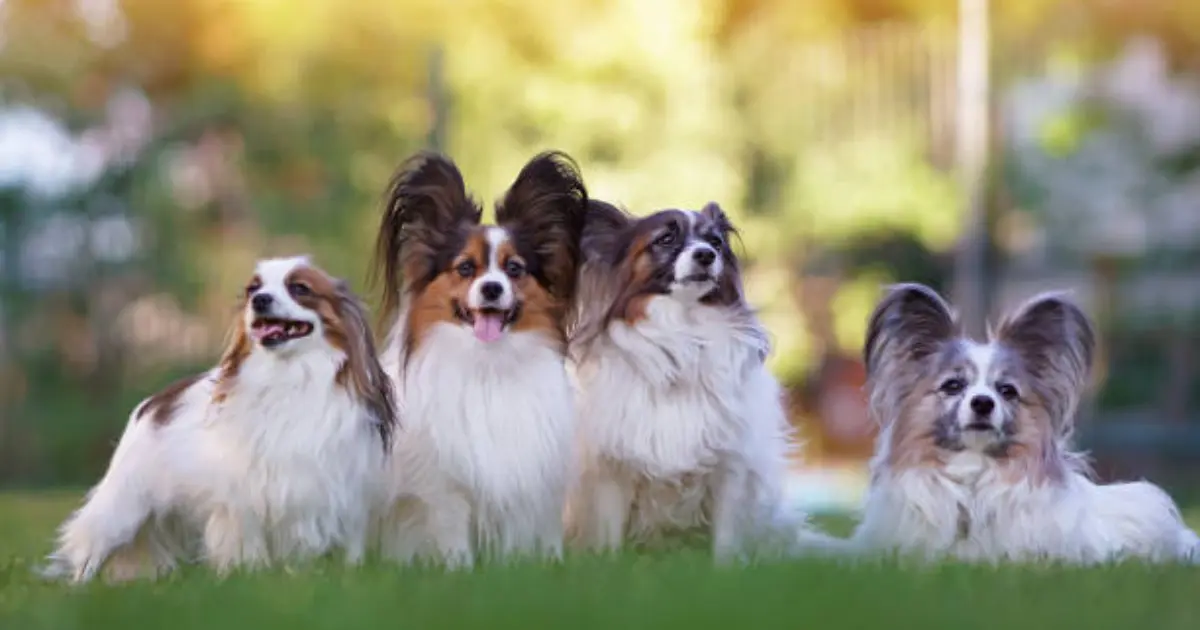
6. Papillon
The Papillon is known for its large, butterfly-shaped ears with flowing fringes. Their coat is silky and poofy around the ears and tail. They weigh between 5 and 10 pounds. Papillons are smart, energetic, and easy to train. They are an excellent choice for active toy dog owners.
Quick Comparison: Popular Poofy Toy Dog Breeds
| Breed | Weight | Coat Type | Hypoallergenic | Best For |
| Pomeranian | 3-7 lbs | Double, fluffy | No | Singles, seniors |
| Maltese | 4-7 lbs | Long, silky | Yes | Families, city living |
| Toy Poodle | Under 10 in | Curly, dense | Yes | Allergy sufferers |
| Bichon Frise | 12-18 lbs | Curly, white | Yes | Allergy families |
| Shih Tzu | 9-16 lbs | Double, flowing | No | Apartments |
| Papillon | 5-10 lbs | Silky, fringed | No | Active owners |
What Makes a Dog Look Poofy?
Not all small dogs have that signature poofy look. The fluffiness comes from a few key factors.
- Double coat structure: A thick undercoat beneath a longer outer coat creates volume.
- Curly or wavy texture: Curly coats like those on Poodles naturally appear fuller.
- Regular grooming: Proper brushing and trimming enhance the fluffy appearance.
- Coat length: Longer coats have more opportunity to appear voluminous.
Grooming Your Fluffy Toy Dog: What You Need to Know
Owning a poofy toy dog comes with grooming responsibilities. Their beautiful coats require consistent care. Neglecting grooming leads to matting, skin issues, and discomfort for your dog.
Here is a practical grooming routine I recommend based on breed type:
- Brush daily or every other day using a slicker brush or pin brush.
- Schedule professional grooming every 6 to 8 weeks.
- Bathe your dog every 2 to 4 weeks with a gentle dog shampoo.
- Trim around the eyes and ears monthly to prevent irritation.
Pro Tip: Use a detangling spray before brushing. It prevents breakage and keeps the coat fluffy and healthy. Brands like Chris Christensen and Cowboy Magic are popular among professional groomers.
Common Mistakes New Toy Dog Owners Make
I see these mistakes all the time. New toy dog owners often struggle with a few key areas. Knowing about them ahead of time saves you stress.
- Skipping grooming appointments: Fluffy coats need regular professional grooming. Skipping leads to painful mats.
- Overfeeding: Toy breeds gain weight quickly. Stick to measured meals and vet-recommended portions.
- Skipping socialization: Small dogs can develop small dog syndrome without proper socialization from puppyhood.
- Using the wrong collar: Toy breeds have delicate tracheas. Always use a harness instead of a neck collar.
Health Considerations for Poofy Toy Dog Breeds
Toy breeds generally live long lives. Many reach 14 to 18 years with proper care. However, they do have some breed-specific health concerns you should know about.
- Dental disease: Small mouths mean crowded teeth. Brush their teeth weekly.
- Hypoglycemia: Toy breeds can experience low blood sugar, especially as puppies.
- Patellar luxation: A condition where the kneecap slips out of place. Common in small breeds.
- Tracheal collapse: More common in breeds like Pomeranians and Toy Poodles.
According to the American Veterinary Medical Association (AVMA), regular wellness exams twice a year are essential for toy breeds. Early detection saves lives and lowers long-term costs.
Training Tips for Fluffy Toy Dog Breeds
Toy dogs are intelligent. They pick up commands quickly. But they can also be stubborn if training is inconsistent. Here is what works best.
- Use positive reinforcement only. Treats, praise, and play work best.
- Keep training sessions short, around 5 to 10 minutes.
- Start early. Puppy training should begin at 8 weeks.
- Crate training helps prevent separation anxiety.
Pro Tip: Apps like Puppr and Dogo are great for training toy breeds at home. They offer step-by-step video lessons designed for small dogs.
How to Choose the Right Poofy Toy Dog for Your Lifestyle
Not every fluffy toy breed fits every lifestyle. Here is a quick breakdown to help you decide.
- Active lifestyle: Papillon or Toy Poodle. Both love exercise and mental stimulation.
- Allergy-friendly home: Maltese, Toy Poodle, or Bichon Frise.
- Apartment living: Shih Tzu or Maltese. Both are calm and quiet indoors.
- First-time dog owner: Bichon Frise or Shih Tzu. Both are easy to manage.
- Senior or low-energy owner: Pomeranian or Maltese. Both enjoy lounging and cuddling.
Where to Find Reputable Poofy Toy Dog Breeders
Finding a responsible breeder is critical. Avoid puppy mills at all costs. Here are the best ways to find reputable breeders in the USA.
- AKC Marketplace: The AKC’s official breeder directory lists only AKC-registered breeders.
- Petfinder.com: A great resource for adopting rescue toy dogs.
- Breed-specific clubs: Each AKC-recognized breed has its own national club with breeder referrals.
Insider Tip: Always visit the breeder in person. Ask to see both parents. Request health clearances for genetic conditions common in the breed. A good breeder welcomes questions.
Frequently Asked Questions
What are the best poofy toy dogs for apartments?
The Maltese and Shih Tzu are the best poofy toy dogs for apartment living. Both breeds are calm indoors and do not require large outdoor spaces. They are quiet, adaptable, and do well in small spaces. Regular short walks and indoor play sessions meet their exercise needs.
Are poofy toy dogs hypoallergenic?
Some poofy toy dogs are hypoallergenic. The Maltese, Toy Poodle, and Bichon Frise produce fewer allergens than other breeds. However, no dog is 100% allergen-free. Hypoallergenic dogs shed less dander, which is what triggers most allergic reactions. Spending time with a breed before adopting is the best way to test your reaction.
How much grooming do poofy toy dogs need?
Poofy toy dogs need regular grooming to maintain their fluffy appearance. Most require brushing at least 3 to 4 times per week. Professional grooming appointments every 6 to 8 weeks are recommended. Breeds like the Pomeranian and Maltese need more frequent brushing due to their thick or long coats. Skipping grooming leads to painful mats and skin issues.
What is the lifespan of a poofy toy dog?
Poofy toy dogs are known for their long lifespans. Most toy breeds live between 12 and 18 years with proper care. The Toy Poodle and Maltese often reach 14 to 16 years. Regular vet checkups, a balanced diet, dental care, and daily exercise all contribute to a long, healthy life for these small breeds.