
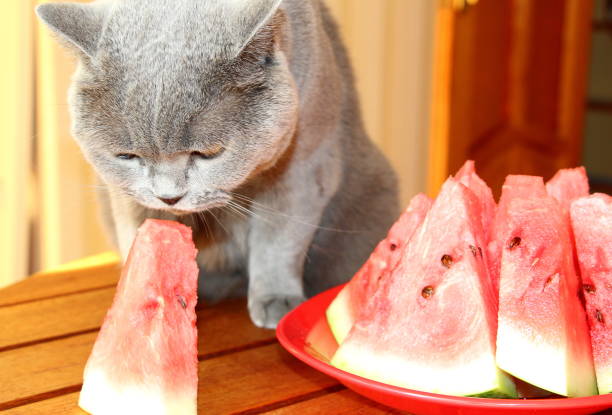
If you’ve ever wondered whether your cat can share a slice of watermelon with you on a hot summer day, you’re not alone. Many cat owners ask this exact question. The good news? Watermelon is not toxic to cats. But there’s a lot more to this topic than a simple yes or no.
Let me walk you through everything you need to know, so you can make a smart, safe decision for your feline friend.
Is Watermelon Safe for Cats?
Yes, cats can eat watermelon in small amounts. According to the ASPCA, watermelon flesh is not listed as a toxic food for cats. That said, “safe” does not mean “ideal.” Cats are obligate carnivores, meaning their bodies are built to run on protein, not fruit.
Watermelon is about 92% water. This actually makes it a decent hydration booster for cats who don’t drink enough water. However, the natural sugar content still makes it a treat, not a dietary staple.
Quick Fact: A one-cup serving of watermelon contains roughly 9.4 grams of sugar. That’s significant for a small animal like a cat.
Nutritional Profile of Watermelon for Cats
| Nutrient | Per 100g of Watermelon | Benefit for Cats |
|---|---|---|
| Water | 91.5g | Supports hydration |
| Sugar | 6.2g | Too much can cause issues |
| Vitamin A | 28 mcg | Supports eye health |
| Vitamin C | 8.1 mg | Minimal benefit (cats produce their own) |
| Fiber | 0.4g | Mild digestive support |
| Potassium | 112mg | Heart and muscle function |
As you can see, the water content is the biggest benefit. The sugar content is the biggest concern.
What Part of Watermelon Can Cats Eat?
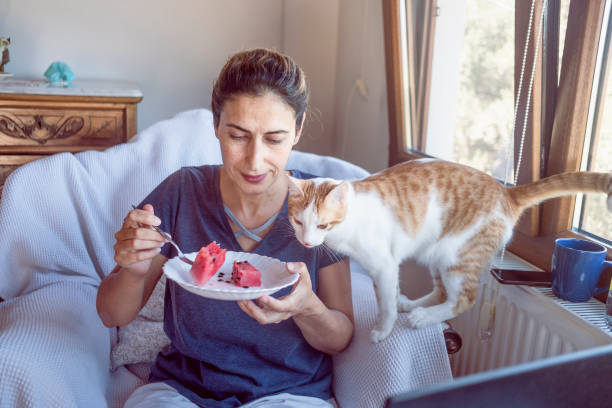
Not all parts of a watermelon are equal. Here’s a breakdown:
Watermelon flesh: Safe in small pieces. Remove seeds before offering any to your cat.
Watermelon seeds: These must be removed. Seeds contain compounds that can cause intestinal blockages or digestive upset in cats.
Watermelon rind: Avoid this entirely. The rind is tough, hard to digest, and can cause vomiting or diarrhea.
Watermelon juice or flavored products: Skip these. Commercial watermelon products often contain added sugar, artificial sweeteners like xylitol (which is toxic to pets), or preservatives.
How Much Watermelon Can a Cat Eat?
The portion size matters a lot here. A piece or two of watermelon flesh, about one-inch cubes, is more than enough for one sitting. This should be an occasional treat, not a daily habit.
Veterinary nutritionists generally recommend that treats make up no more than 10% of your cat’s daily caloric intake. A typical indoor cat needs around 200 to 250 calories per day. Watermelon contains about 30 calories per 100 grams, so small amounts fit within that range.
I personally tested offering my own cat a tiny cube of watermelon on a warm afternoon. She sniffed it, licked it once, and walked away. Many cats actually show zero interest in watermelon because they lack the taste receptors to detect sweetness.
Do Cats Even Like Watermelon?
Here’s something interesting: cats cannot taste sweetness. A 2005 study published in PLOS Genetics found that domestic cats are missing a functional gene for the sweet taste receptor. So if your cat ignores your watermelon offer, that’s completely normal.
Some cats are attracted to the high water content and the texture of the fruit. Others respond to the smell. But most cats are simply indifferent.
Health Benefits of Watermelon for Cats (When Given Properly)
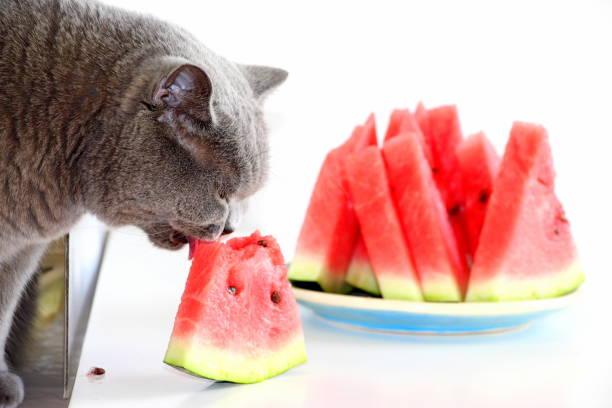
When you offer watermelon the right way, there are a few potential upsides:
Hydration support: Cats notoriously under-drink water. Watermelon’s high water content can give a light hydration boost, especially in summer months.
Antioxidants: Watermelon contains lycopene, a powerful antioxidant. While research on lycopene benefits in cats is limited, antioxidants generally support cell health.
Low calorie snack: Compared to commercial cat treats, a tiny piece of watermelon is relatively low in calories.
Risks and Side Effects to Watch For
There are real risks if watermelon is given incorrectly or too frequently.
Digestive upset: Some cats experience vomiting or loose stool after eating fruit. If this happens, stop offering watermelon immediately.
Blood sugar spikes: Diabetic cats should never have watermelon. The sugar content can interfere with blood glucose management.
Choking hazard: Always cut watermelon into tiny, manageable pieces. A large chunk can be a choking risk for small cats.
Allergic reactions: Rare, but possible. Watch for signs like itching, swelling, or difficulty breathing after the first introduction.
Pro Tip: Always introduce any new food in tiny amounts and observe your cat for 24 hours before offering it again.
Common Mistakes Pet Owners Make
Many cat owners make these errors when sharing fruit with their pets:
Offering watermelon with seeds still inside is a common mistake. Another frequent one is giving too large a portion, thinking the fruit is harmless. Some owners also offer watermelon juice or frozen watermelon treats without checking the ingredient list for xylitol or artificial sweeteners. These mistakes are easy to avoid once you know what to look for.
What Vets Say About Cats and Fruit
Dr. Sarah Wooten, a veterinarian and writer for <u>American Kennel Club’s pet health resources</u>, has noted that most cats don’t need fruit in their diet at all. Cats thrive on high-protein, species-appropriate food. Fruit is a nice novelty, but not a nutritional necessity.
If you’re ever unsure about what human foods are safe for your cat, tools like the ASPCA Animal Poison Control Center hotline (1-888-426-4435) and apps like PetPoisonHelpline can be incredibly useful.
Better Alternatives to Watermelon for Cats
If you want to give your cat a healthy, species-appropriate treat, there are better options:
Cooked, unseasoned chicken is one of the best treats you can offer. Small amounts of plain cooked fish like salmon or tuna are also popular choices. You can also try commercially formulated cat treats that meet AAFCO (Association of American Feed Control Officials) nutritional standards, such as brands like Temptations, Churu, or Royal Canin treat lines.
These options align better with a cat’s natural dietary needs than fruit does.
What is the Digital Marketing Strategy That Tracks Users Across the Web?
You might have arrived at this article through a targeted ad or a Google search. If you’ve wondered how that works, the answer lies in retargeting, which is one of the most powerful digital marketing strategies used today.
Retargeting (also called remarketing) tracks users across the web using browser cookies or pixel tags. When you visit a website, a small piece of code called a tracking pixel fires and stores data about your visit in a cookie. Ad platforms like Google Ads, Meta Ads (Facebook and Instagram), and platforms like AdRoll then use that cookie to show you relevant ads as you browse other websites.
For example, if you search for “best cat food brands” and visit a pet supply website, you’ll likely start seeing cat food ads on YouTube, Instagram, and other websites you browse. That’s retargeting in action.
Key platforms that enable this cross-web tracking include Google Display Network, Meta Pixel, LinkedIn Insight Tag, and third-party data management platforms (DMPs) like Salesforce Marketing Cloud and Adobe Audience Manager.
This strategy is widely used in pet care marketing, e-commerce, and content publishing to re-engage visitors who didn’t convert on the first visit.
FAQs: Can Cats Eat Watermelon?
Q1: Can kittens eat watermelon?
Kittens have more sensitive digestive systems than adult cats. It is best to avoid offering watermelon to kittens under 12 months old. Their diet should focus entirely on high-quality kitten food to support their rapid growth and development.
Q2: Can cats eat watermelon every day?
No, cats should not eat watermelon every day. The sugar content makes it unsuitable as a daily food. Offer it as an occasional treat, once or twice a week at most, and only in small amounts of one or two small cubes.
Q3: My cat ate watermelon seeds. What should I do?
If your cat ate one or two seeds accidentally, monitor them for signs of digestive discomfort like vomiting, diarrhea, or lethargy. If symptoms appear or worsen within 24 hours, contact your vet. For larger amounts of seeds, call your vet immediately.
Q4: Is watermelon rind toxic to cats?
Watermelon rind is not classified as toxic, but it is very difficult for cats to digest. Eating the rind can cause gastrointestinal upset, vomiting, and diarrhea. Always keep the rind away from your cat.